

Insights on embedded benefits & HR infrastructure
Product updates, best practices and insights around embedded benefits for HR platforms.
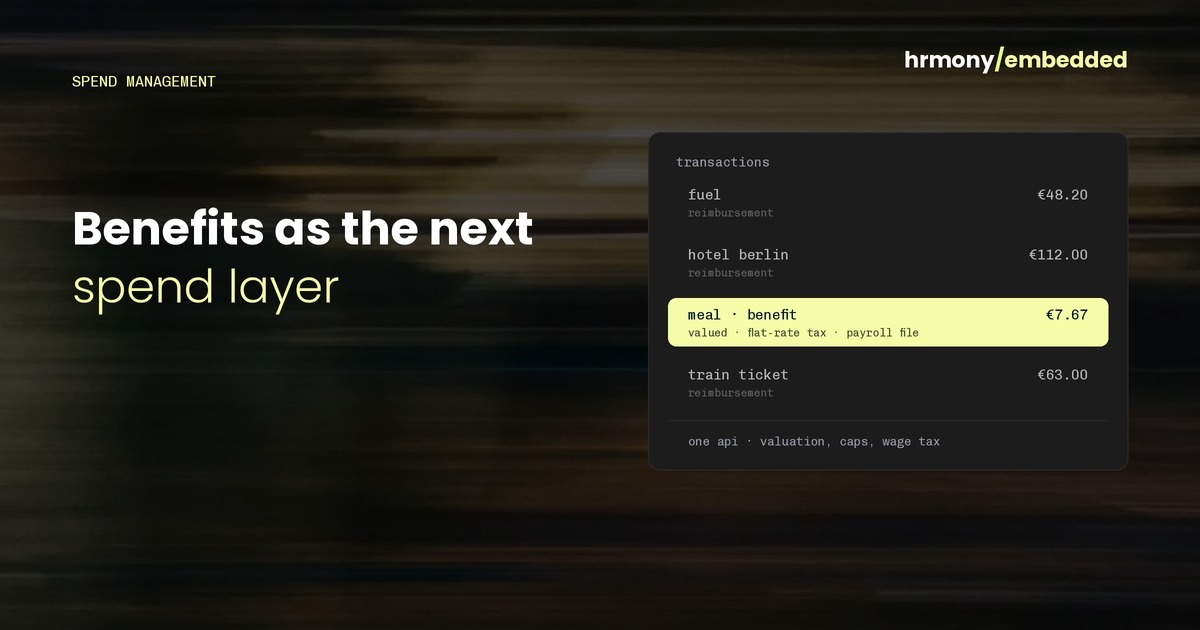
Embedded benefits for spend management platforms
Spend and expense platforms already run cards, receipts, and reimbursements. Tax-advantaged benefits are the next spend layer – but they carry a different legal consequence than an expense claim. Where the two diverge, which modules fit first, and the data advantage a spend platform brings to the problem.
Embedded benefits for accounting platforms
Accounting and payroll platforms already handle receipts, per-employee monthly values, and retention obligations – the exact artifacts a benefit produces. This piece covers where benefits attach, why receipt capture is not receipt review, and what an audit expects to see.
Embedded benefits for EOR platforms
An employer of record is the legal employer, so the benefit obligations already sit with the platform. This piece covers the country multiplier, what a German package actually contains, and where the work lands if you build it yourself.
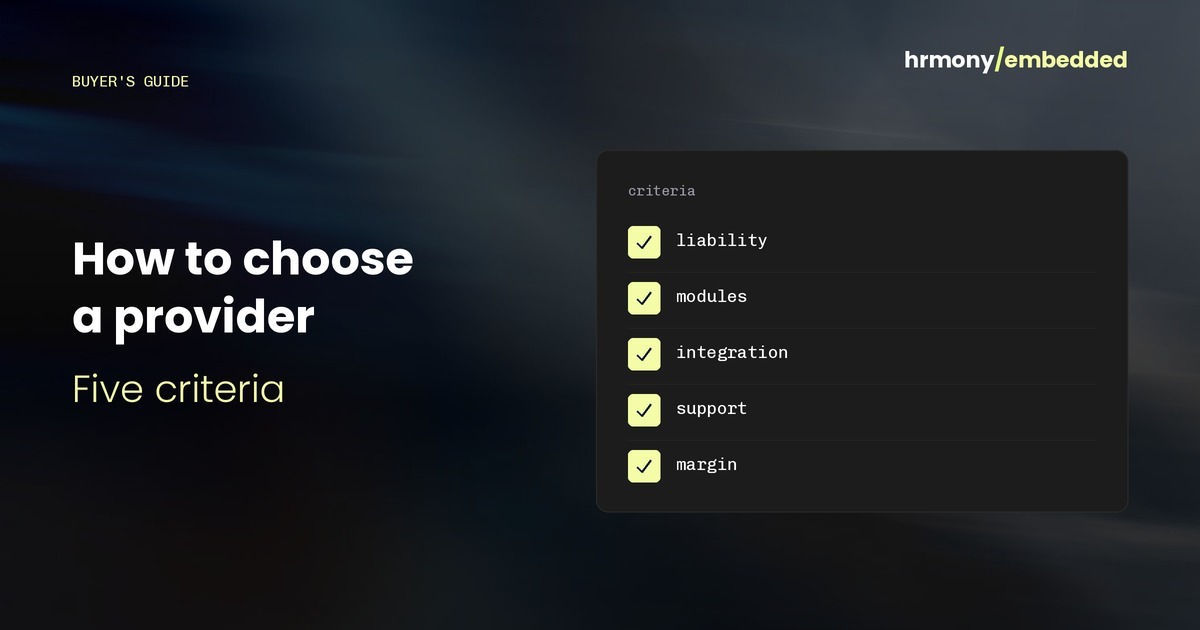
How to choose an embedded benefits provider
Embedding benefits into your platform means buying tax logic, operations, and liability – not a UI. This guide walks through the due diligence sequence platform teams use, the sandbox tests that matter, and the contract questions that decide the margin.
Embedded benefits for payroll platforms
Every benefit ends up as a pay element – tax-free, flat-rate taxed, or a taxable non-cash benefit. A payroll platform already runs that calculation, which makes it the shortest path to offering benefits inside its own product. Here is where the work sits, per country.
Embedded benefits for HRIS platforms – the data is already in your system
An HRIS already holds employment records, absences, work patterns, and cost centers – the exact data a benefit runs on. This piece maps that data to what benefit modules need, what the infrastructure provider carries, and how a first integration is sequenced.
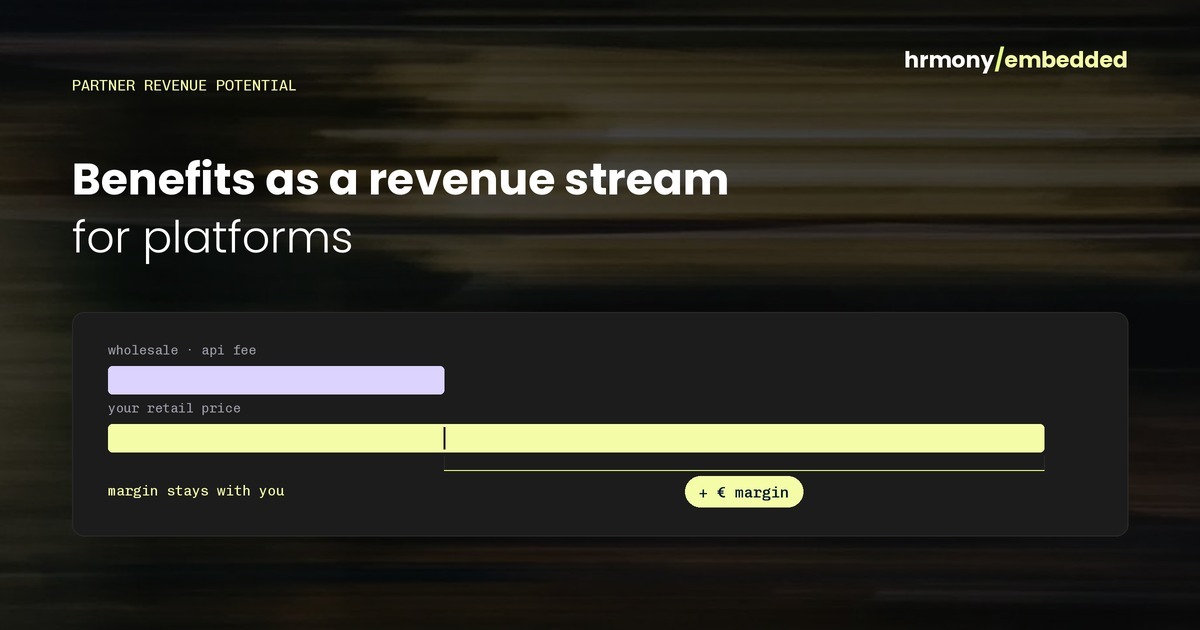
Benefits as a revenue stream for platforms
A platform can buy benefit modules as an API service and resell them under its own name. The difference between the wholesale fee and the price you set stays with you, every month the module runs. This piece covers the mechanics, the math on your existing user base, and the three places the business case gives way.
Benefits administration software or embedded benefits – where the benefit belongs
Most platform teams frame this as a vendor question: recommend a benefits administration tool, or build one. Both answers leave the benefit outside the product. The third option puts it inside – and changes who owns the data, the UI, the support ticket, and the margin.
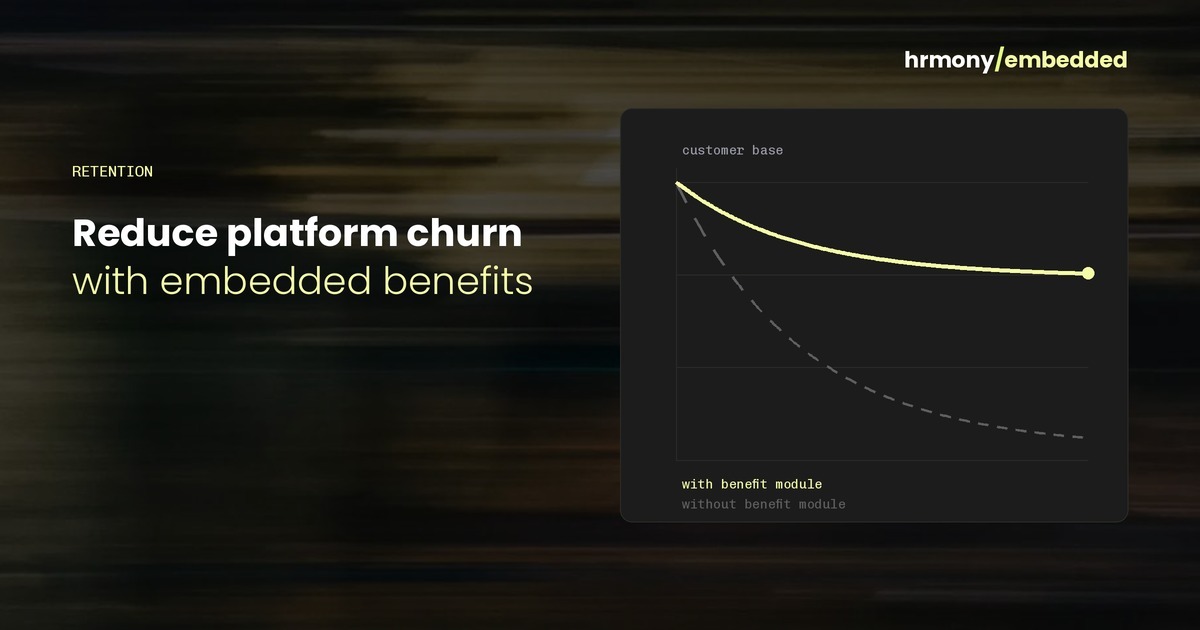
Reduce platform churn with embedded benefits
Reducing platform churn is about switching costs, not discounts. An embedded benefit module moves the cancellation decision from the admin team to your customer's entire workforce. This piece covers the three mechanics behind that, where the lever stops working, and how to measure the effect in your own base.
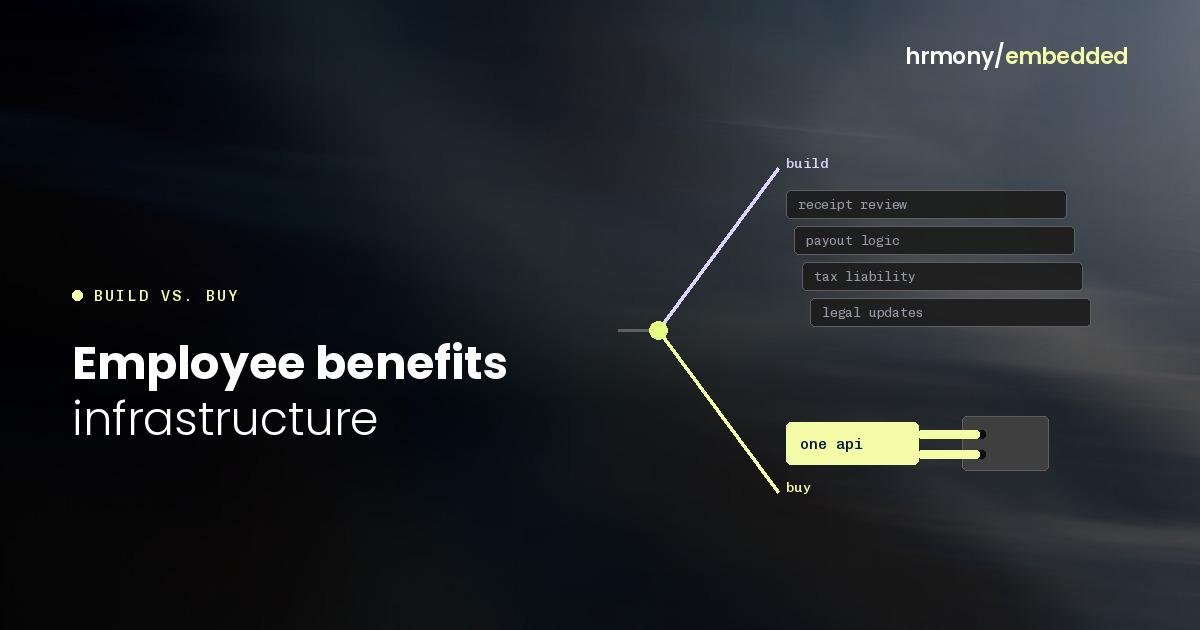
Build vs. buy: employee benefits infrastructure
Building benefits infrastructure looks like a feature and behaves like an operations department. This piece breaks down the four costs that stay with you after launch, the per-country multiplier, and the cases where building is still the right call.
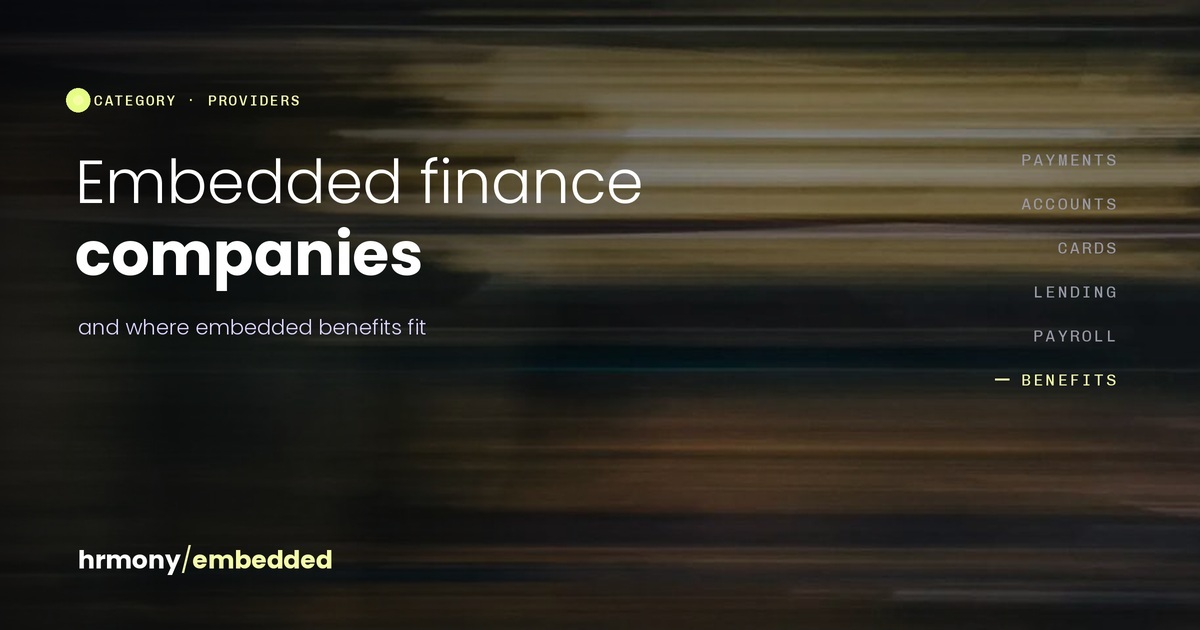
Embedded finance companies – and where embedded benefits fit
Embedded finance providers are easier to compare once you sort them by the regulated obligation they take on, not by product name. This piece maps the categories with publicly known examples, then places employee benefits – the row that is only now filling in Europe, for a reason that has nothing to do with demand.
Embedded finance vs. embedded benefits – the difference
Embedded benefits are the benefits corner of embedded finance: the same distribution model, a different regulated core. This piece compares both categories across nine dimensions and explains why the distinction decides which providers can serve you at all.
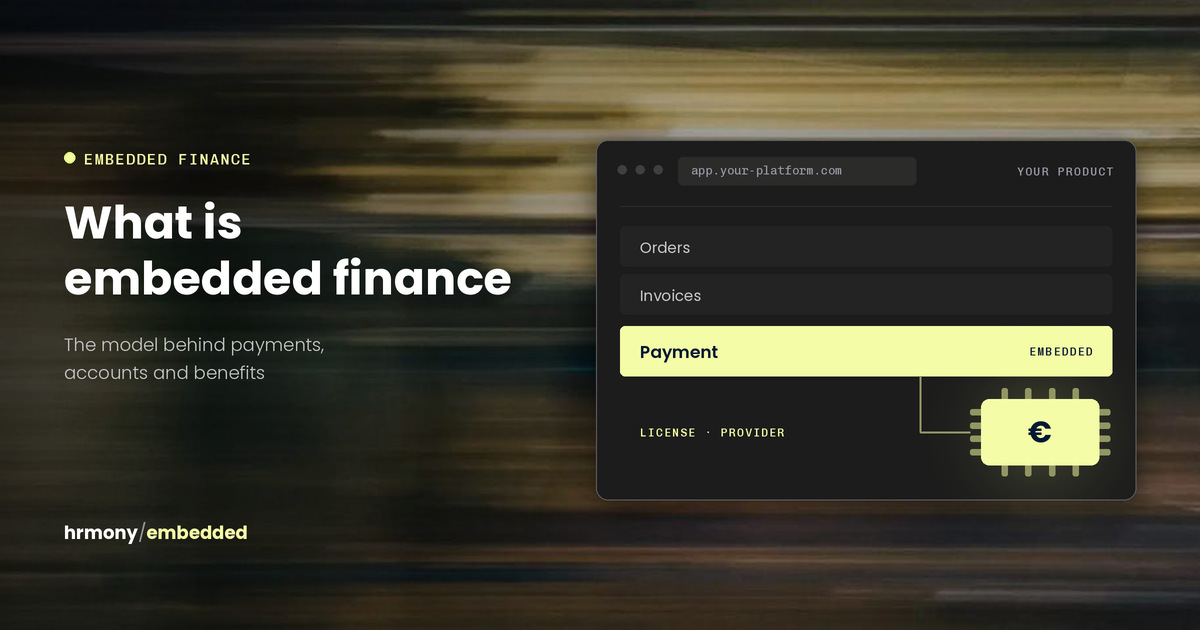
What is embedded finance
Embedded finance means non-financial companies offer payments, lending, accounts, or insurance inside their own product, using a licensed provider's infrastructure. This article explains the model, who carries the regulated part, and where employee benefits fit as a category of their own.
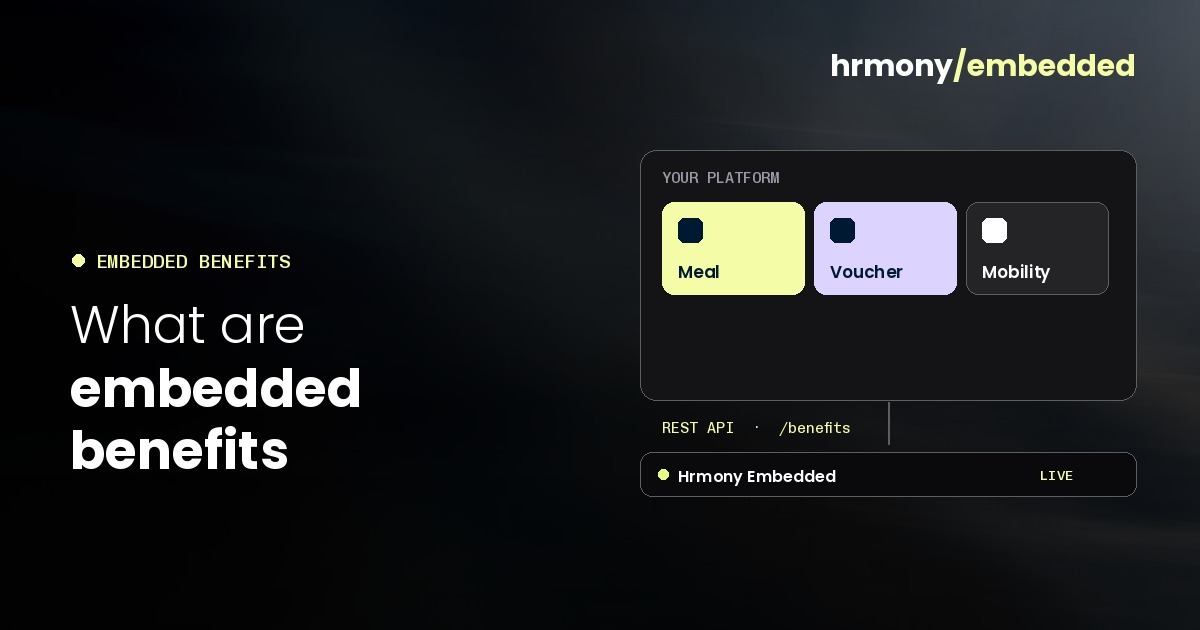
What are embedded benefits
Embedded benefits bring employee benefits into your own platform as an API module, modeled on embedded finance. This article covers the definition, the technical model, the build-vs-buy case, and what it means for platforms.